Engineering would be a lot simpler if water always arrived at the same speed.
It’s not.
Wastewater entering a residential system can vary throughout the day. Industrial and commercial buildings may experience operating peaks. Stormwater flow is affected by weather conditions. Demand for clean-water also increases and falls based on application.
To design a pump station, it is not a simple matter of selecting the equipment that will provide a certain flow. Engineers need to know the possible conditions in which the system may be used.
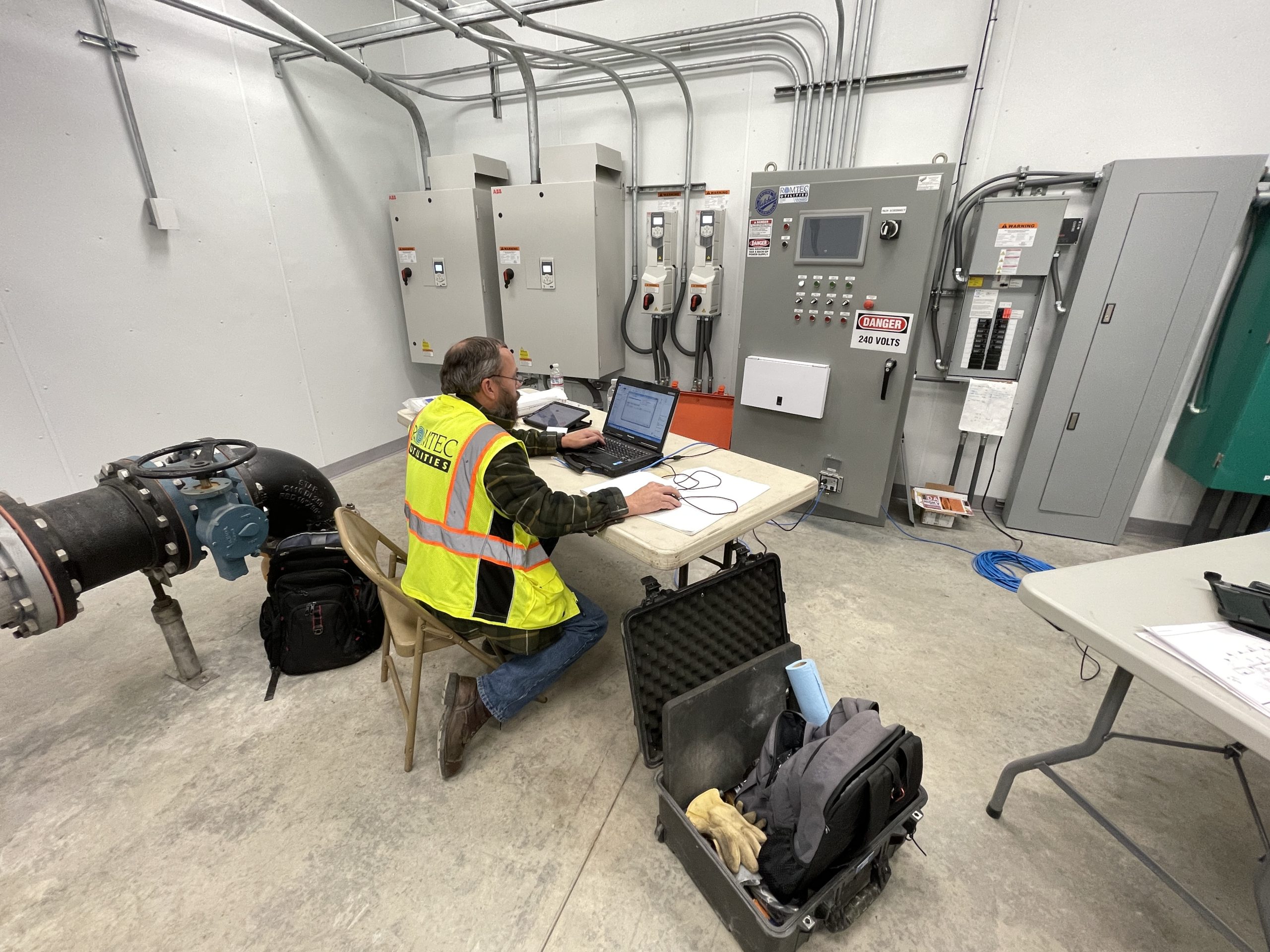
Image credit: romtecutilities.com
Consider the Operating Conditions and Not Just the Maximum Capacity
It is evident that maximum flow is important, but it represents only one part of station operation. If a system for wastewater is constructed to handle a large volume of flow. The majority of the time the flows coming in can be significantly lower. The station is still required to function properly during these normal timeframes.
This introduces questions about wet-well sizing, pump operation, control, head conditions and how equipment reacts to demand fluctuations.
The design of an engineered package pumps system considers the actual site requirements, rather than focusing on the max capacity of the pump.
The rhythm of daily wastewater
A wastewater lift station serving homes, businesses, or municipal infrastructure may experience changing influent conditions throughout its operating cycle.
The system is required to collect wastewater and activate its pumps in accordance with the plan of control that is set by the station. Structural dimensions, pumping equipment, valves, pipes, electrical components and controls all have roles in that process.
Other site-specific considerations may also enter the design. Romtec Utilities can incorporate auxiliary equipment like grinder vaults, odor control equipment and so on as required by the specific application. The result is a station that is designed specifically for the specific project rather than being a general design that can be applicable to all wastewater sites.
Stormwater Changes Much More Fast
Stormwater is a different operation. A stormwater lift station could have a low level of activity during dry conditions, and then encounter an influx that is significantly greater during an event of weather. The station can be part of a larger flood control, detention, treatment, or drainage strategy, making the stormwater strategy surrounding it an integral part of the design.
Romtec Utilities evaluates factors including needed flow rates along with head conditions, size of the system the site’s requirements, as well as environmental considerations when developing these systems.
The design of a station that is designed for commercial purposes could be very different from the design of a station that is designed to handle stormwater in a municipality.
Both head conditions as well as flow are critical.
Moving 1,000 gallons is only part of the engineering issue. Engineers must also know the direction of the water and the kind of resistance the pumping system is expected to face.
Variations in elevation, piping design the discharge conditions and other aspects of the system contribute to the head conditions in which pumps function.
The connection between flow and head is the reason why choosing the right pump based on its capacity rating isn’t enough. The pump’s technology and station’s design must be compatible to the hydraulic parameters for the entire application.
Create the station to meet the conditions it will actually experience
Romtec Utilities develops customized pumping systems for stormwater, wastewater clean water, booster, industrial, and various other applications. Its process may include budgeting and design in the beginning including complete plans, system supply, documentation and startup testing, and commissioning.
The principle of engineering that underlies it is straightforward: real pumping systems don’t go through their entire lives operating under one suitable set of circumstances.
It is also important to consider specific hydraulic requirements of the project, in addition to the fluctuating flow, demand and requirements. It is essential to develop a station to cope with the challenges.